|

 Send Inquiry
 Send SMS
 08045812714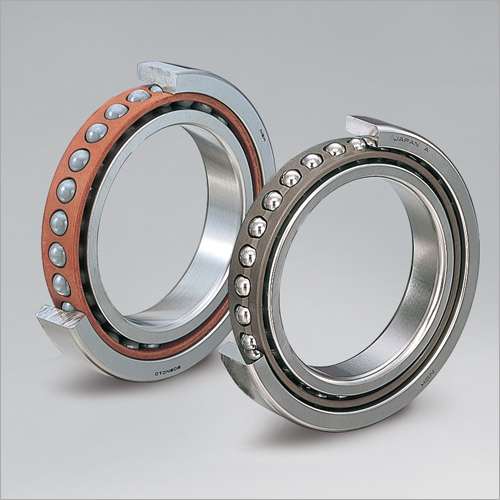
Super Precision Bearing
4995.0 INR/Set
Product Details:
- Inside Diameter 40 mm
- Retainer Yes
- Lubrication Type Grease
- Cage Material Brass
- Precision Rating P4
- Thickness 15 mm
- Bearing Type Super Precision
- Click to View more
X
Super Precision Bearing Price And Quantity
- 5 Set
- 4995.0 INR/Set
Super Precision Bearing Product Specifications
- 68 mm
- Super Precision
- Grease
- Brass
- Single
- P4
- 15 mm
- 25000 RPM
- High
- 40 mm
- 40 mm
- Chrome steel
- Yes
- Angular Contact
- Super Precision Bearing
- Open
- -20C to +120C
- ISO 492
- V1
- 20 kN
- Machine Tool Spindles, CNC Machinery, Robotics
- 32 kN
- Polished
Super Precision Bearing Trade Information
- Cash Advance (CA)
- 2500 Set Per Week
- 3 Days
- All India
Product Description
Super precision group is best suitable for the high precision, high rotating speed, and high stiffness requirements. It is produced with the highest degree of accuracy possible because to our cutting-edge machinery, advanced manufacturing techniques, and production capacity. This product is perfect for machine tools and other precision applications such as rolling mills, racing vehicles, and marine vessels because they have high running accuracy, high-speed performance, and high system rigidity. Super precision group also reduces heat production, vibration, and noise. The art of precision tooling involves milling, shaping, deforming, and generally producing parts to exacting requirements set by strict computer software, yet the tool profiles are practically unlimited.
Engineered for Precision and Performance
Our Super Precision Bearing combines angular contact structure with P4 accuracy, making it the ideal choice for applications where high speed and low vibration are essential. Its superior load ratings and chrome steel construction deliver unmatched reliability and performance, especially in machine tool spindles and advanced automation.
Robust Design with Versatile Applications
Featuring a polished finish, a sturdy brass cage, and grease lubrication, this bearing is tailored for modern CNC machinery and robotics. With a limiting speed of 25,000 RPM and ability to withstand temperatures from -20C to +120C, it excels in challenging industrial environments, consistently maintaining high precision and stability.
FAQs of Super Precision Bearing:
Q: How is the Super Precision Bearing installed in machine tool spindles or CNC machinery?
A: Installation should be performed by trained technicians using clean handling procedures and specialized tools to maintain the bearings precision. It is recommended to follow manufacturer guidelines for seating the bearing correctly to minimize internal stress and prolong its operating lifespan.Q: What makes this bearing suitable for high-speed applications like robotics and CNC machinery?
A: This bearing is constructed to ISO 492 and P4 precision standards, coupled with a high dynamic load rating and limiting speed of 25,000 RPM. Its low vibration level (V1) and robust angular contact structure ensure stable, high-speed rotations required by advanced robotics and CNC systems.Q: When should the bearing be lubricated, and what type is required?
A: The bearing requires grease lubrication, which should be replenished as part of routine maintenance schedules or when signs of increased noise or temperature are observed during operation. High-quality grease compatible with chrome steel is recommended for optimal performance.Q: Where can these bearings be used besides machine tool spindles?
A: Apart from machine tool spindles, these bearings are extensively used in CNC machinery, automated robotics, and other industrial applications that demand high rotational accuracy, load capacity, and consistent performance in demanding environments.Q: What is the step-by-step process for maintaining the open-seal bearing design?
A: Maintenance includes regular inspection for contaminants, ensuring sufficient grease levels, and operating in a clean environment. Bearings should be cleaned and re-lubricated as necessary, while also checking for signs of wear on the rolling elements and cage.Q: How does the single-row, angular contact structure benefit industrial usage?
A: The single-row, angular contact configuration allows for efficient accommodation of combined axial and radial loads, enhancing rigidity and precision during high-speed operations. This structure is particularly beneficial for spindles and applications requiring excellent alignment and minimal deflection.Q: What are the key benefits of choosing a super precision bearing with a brass cage retainer?
A: A brass cage offers strength, durability, and superior wear resistance. It helps in maintaining internal stability at high speeds and temperatures, reducing the risk of cage deformation and ensuring smooth operation over extended periods.Tell us about your requirement

Price:
Quantity
Select Unit
- 50
- 100
- 200
- 250
- 500
- 1000+
Additional detail
Mobile number
Email

Other Products in 'Rhp Bearing' category

Contact Us
GST : 27ABFFB9688R1Z9

- BNo 138, OFFICE NO 18/C 2ND,NAGDEVI STREETMumbai - 400003, Maharashtra, India
- Phone : 08045812714

- Mr. Hunaid (Partner)
- Mobile :08045812714
-
 Send Inquiry
 Send Inquiry
Location
 |
BM TRADERS
All Rights Reserved.(Terms of Use) Developed and Managed by Infocom Network Private Limited. |
